A Lieutenant in the Genre

I started writing in early 2008 for the fun of it. I had always loved the horror genre, namely movies, and after reading a few novels I gave it a shot. As I mentioned, I started writing my first novel, Night School, after reading novels by Jack Ketchum and Richard Laymon. I said to myself, “Hey, I can write some sick stuff too!” and away I went to pound out 100k words in three months flat. Soon after, I ventured into short fiction, novellas, etc. I started out the opposite of most writers. Many start with a shorter story, perhaps a few thousand words, then after writing a few of those will then work their way up to a novel-length manuscript. Not me. Nope. That’s mainly because when I sat down at my then ‘day job’ and starting writing Night School I was doing it for the fun of it. Heck, it didn’t even enter my mind about getting it published…. Until it happened. Then the next, and the next, and the… Well, you get my point. Fast forward thirteen years (as of this writing) and I’m still in the trenches, trying to crawl my way out onto the battlefield. Actually, the publishing world, namely the horror genre, is very similar to a government and its military. There’s different ranks of authors. Folks such as Stephen King, Dean Koontz and Anne Rice would be the President, Vice President and Speaker of the House. Everyone knows who THEY are. Just like the people running the United States government; you might look up to them, want to maybe be them one day, but you probably never will. Forget about it. More than likely it’s out of your reach. Not that there’s anything wrong with shooting for the stars, mind you. Just like in any business, you have to know your strengths and limitations. Some might believe they’re smarter than 90 percent of the people they work with, but that doesn’t mean they’ll ever be the president of the company…unless there’s a hostile takeover…but that’s a story for another book. Back to what I was saying; there are ranks, a ladder of leadership in the horror genre. While the big three might be in charge, leading the battle from afar, there are TONS of other great writers that are doing the hard work of marching into the battlefield and leading the genre into new worlds. This is where you are probably hoping I would list who I believe are Generals, Majors, Captains, Lieutenants, Sergeants, Privates, whatever. Well, I’m not going to do that. Why? Because I would probably accidently leave out a great writer, who just happens to be a friend of mine, then I would hear about it. Maybe even be drawn and quartered. Nah, I’ll pass. Being in my early 40s I’m still a little too young to take a bullet or a bayonet to the gut.

But, after thirteen years of being in the genre, I think I can fairly accurately rank myself.

Lieutenant.

Why would I choose that rank? Well, I’ve been in the game long enough to know all the troops, I’ve assisted plenty (shout out to – Tom Erb, Dean Harrison, Adam Lewis, Vince McKee – go check out their stuff!) written plenty and more or less know and ins and outs of the business. Like I said, I never had a drill sergeant (i.e. mentor) when coming up in this world. I had to learn things on my own by trial and error through the years. Thank god I wasn’t taking real fire or I would probably be lying on the ground and bleeding out. I’ve been through the wars, winning some and losing some, but I’ve made it through. I’ve crawled through the trenches and I’ve fought by the sides of my fellow horror writers to propel the genre into unknown territories, to pillage, save and capture different subgenres so the troops coming in behind us can run through to safety on the other side. It’s taken blood, sweat and tears. It hasn’t been easy. But, I wouldn’t take back any of the experiences of the past thirteen years. Sure, I would change some things, but overall, I think I’ve done things the RIGHT WAY. That’s key. If you’re an up-and-coming writer, in any genre, do things the RIGHT WAY. Don’t be a mean to your fellow writers, just because they got some major contract with a big time publisher. Don’t bad mouth others. Read a lot of the authors you enjoy, and even some you don’t so much, to learn HOW to write. And last, but not least, write write WRITE! Just Do It. Don’t complain about coming home from your ‘day job’ and being tired or whatever. Come home, eat your franks n’ beans, then go into a quiet room and start pounding out words. Type 100, 500 or 1,000 words a day if that’s all you can muster. Just write something. Even a little bit can one day lead to a finished tale of some length. Why do you think ALL established authors give the same advice about; sitting your butt in the chair and doing the work!? Well, because that’s the only way the battle will be won.

So, yes, I would consider myself a Lieutenant.

Now it’s time for the real question: Was my rise to the ranking of Lieutenant by way of luck or hard work? Am I a hack or the real deal?

I feel like I’ve always done things the right way. I’ve put in the hard work and been genuine with fans, publishers and fellow writers. And while I’ve been taken advantage of a few times throughout the years, overall, I think it’s the only way to go. If you come off like you’re the bomb, you’re doing to look like a hack. If you don’t do things the right way, you’re going to come off like a hack. Authors and publishers talk. We talk A LOT! In fact, we’re our own little gossip circle. The horror genre is a relatively small group. Just a like living in a small town, what others do will spread like wildfire. If you badmouth a fellow author or publisher, especially without just cause, you might just find yourself on the outside looking in. And that’s not a good place to be. Especially if you’re looking to make it in this business.

Let me guess, now you’re asking, “But, Ty, wasn’t there a book years ago where you bad mouthed a few folks?”

Yes. Yes, I did.

But, they did things that I could just no longer bite my tongue about. Just like in Richard Laymon’s A Writers Tale, I felt like that was the time to finally say something about it.

Whew. Alright, I’m OK.

Back to what I was saying…

Is my success in the horror genre the result of luck or hard work?

Without a doubt in my mind, I would have to say hard work.

Nothing in the last thirteen years has been handed to me. I’ve never had a publisher ask ME for a story. Actually, I take that back. I once had someone (who, funny enough, I had published a year earlier in an anthology where I was the editor) who was putting together an anthology ask for a story, but it was AFTER they asked ME for help in contacting an author he didn’t have contact information. That was a pity invitation. But, me being the “nice guy” I did reach out to the other author for him. I also ended up writing and giving him an original story. It was a themed anthology, one with some great writers, and honestly, I wanted to be part of it. So I gave in and helped him out. Funny enough, a year or so later, he started his own small press. Shortly after, I queried if he would be interested in me writing a book for the press. And, of course, he replied with a “not interested” type line. So, I was good enough to ask for help, but not good enough to write a book for you? Ah, ok. Got it. This particular author is now writing books for a few publishers that I know, but have never been able to break into. I’m guessing he pulled the same backhanded stuff with them to get his foot in the door.

But, believe me, you don’t want to go that route. Whether or not you “make it” in this business, do things the right way. Be honest and upfront with the people you already are or want to work with in the future. Be genuine. Nobody likes a douche bag.

I digress.

I’ve gotten to where I’m at with dedication and hard work. And while I haven’t written an original tale in the last six years without first having a contract in hand, I’ve still had to put in the work of writing up a proposal to pitch to a potential publisher.

Nothing comes easy in this business.

I might not be the President, or even a Captain, but you can still take my advice on how to navigate through the trenches, to hopefully, one day, come up the other side of the ditch, into daylight.

Then again, even IF you do everything right, you still might get shot when you pop your head up.

But that’s all part of the game.

Do you have what it takes to enter into the fray?

The choice is yours, and yours alone, to make.

Good Luck.

Need some more advice? Then go check out Angela Maiers and Influencer Marketing.
The New Beginning

My first novel was published in 2008. Like most beginning writers, I had absolutely no idea what I was doing, so I let the first publisher that came along release it. It was a disaster from front to back cover. But I learned from my mistakes and forged ahead.

From 2009 until the end of 2014 I think I had a pretty good run. Several books, short stories, films, audio books, articles, etc, came out with my name on it. I considered myself pretty fortunate that so many people were buying the books and reading the words that seemed to just pour out of my mind during that time. It was really one helluva ride. I made some great contacts in the industry and a lot of those people eventually became genuine friends of mine. But, something, especially during 2014, just didn’t feel the same as it once did. The industry, specifically, the horror genre, was changing. It was just a feeling I had in my gut. My time had come.

In December 2014 I called it quits by writing The Death of a Horror Writer. It was more or less me backing away from the writing side of the industry. During the ensuing years from 2015 – 2017, I had a major proposal turned down by one of the Big 5 after twelve solid months of pitching an anthology to them (this is what made me completely, writing and otherwise, step away from the business), two books came and went out of print (Escaping Lucidity and the 5-year anniversary edition of Last Night Out. DININ’ also went out of print during this time), two anthologies were lost in the wind and were never released, one anthology I had to turn over the editorial duties back to the publisher after compiling the entire author lineup and three books were re-released (The Fields, Deep Dark Woods and The Killing Club), which I regrettably ignored. This wasn’t fair to my work, but more importantly, to their respective publishers. If you have already read Horror Writer, then you understand the reasons for all this. If not, well, maybe you should go and pick up the book now. Regardless, during 2015 – 2017 I always had the publisher end my books with a mostly blank page which simply stated, “The End is the New Beginning.” Honestly, I didn’t totally know what I meant by that, only that it needed to be inserted at the end of each of the books released after Horror Writer.

Then, about a month ago, something hit me like a ton of bricks. While the urge to write new material still isn’t there, at lest not yet, I felt like I needed to get back into the game.

The New Beginning.

That’s when the wheels started turning. The first thing I did was send a single email to a highly respected publisher in the genre who I always wanted to work with. I inquired if they would be interested in re-releasing an out-of-print novella.

They said, yes.

While I can’t yet tell you who the publisher is you’ll definitely know the name when I get the green light to announce it.

Until then, it’s time to make up for lost time by getting the word out regarding The Fields, Deep Dark Woods and The Killing Club.

Watch this space over the coming week or so for information on each book.

The New Beginning.

Yes. Yes, it is.


Goodbye, 2013. Hello, 2014 (aka End Game).

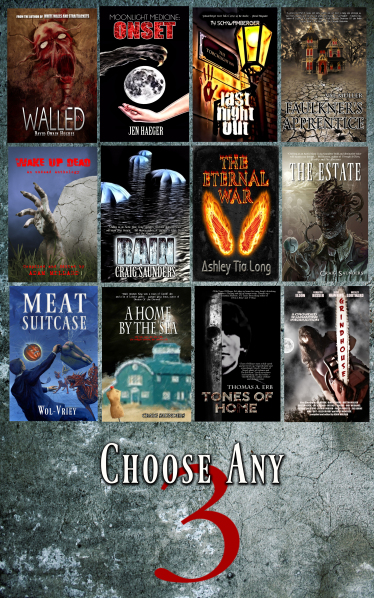
The year 2013 was a very good one for me, personally and professionally. On the personal side: I got married on June 15th, had a wonderful summer with my daughter, had a fantastic two week honeymoon (week one was a Caribbean cruise with stops in the Bahamas, St. Thomas & St. Martin, then the second week spent in Ft. Myers, FL), my new bride and I bought a new house, moved in on the 21st of December, just in time for us to spend Christmas week together with my daughter. On the professional side: House Call (based on my novella of the same name was released on DVD), DININ’ (my Bad Moon Books novella was optioned for film adaptation by Cinder Path Productions), two of my short stories came out in foreign languages, “Two Men, A Rat, And A Lady” (published in Tales of Obscenity Magazine), had articles published in both Tales of Obscenity and Beware the Dark Magazines, my novellas Last Night Out (Crowded Quarantine Publications) and The Killing Club (Crossroads Press) both came out during the year, along with other various articles and interviews.

That’s not too shabby for one year, right? I would agree. Well, for the most part. See, I have no qualms with the personal side, because, honestly, it can’t get much better than that for anybody. There was, however, something brewing on the professional side. More on that later.

So, you ask, what’s on the horizon professionally for Ty Schwamberger in 2014? You’ll see a column hosted by me in Beware the Dark Magazine #2, the hopeful funding and filming of DININ’, audio book editions of The Killing Club, DININ’ and Last Night Out, a new edition of The Fields (Severed Press, which will include the original Introduction by Jonathan Maberry, along with a brand new Forward by Joe McKinney and an Afterward by me), an original mummy novella, The Desert (Severed Press), the mid-year release of my creature novel, Deep Dark Woods (Crowded Quarantine Publications, with original cover art by Nick Rose) and the late-year release of a tentatively titled novel, The Bad Apple (T Allen Press). Those are the items currently set in “stone” (given the state of this business I use that term as loosely as possible). I’m also currently in discussions with a publisher to potentially release some additional foreign language editions of my catalog, as well as being in the VERY beginning of talks with a well-known horror news site to do some exciting work for them.

Ok, it’s time to backtrack a bit. Actually, it’s time to go way back. Back to the beginning. Early 2008. The completion of my first novel. Now, fast forward to 12/31/14, or, what I like to call: END GAME.

The date I retire from writing fiction (books, at least).

Remember the following for future reference:

The End is the New Beginning.

The Death of a Horror Writer.

My vision.

Our Honeymoon

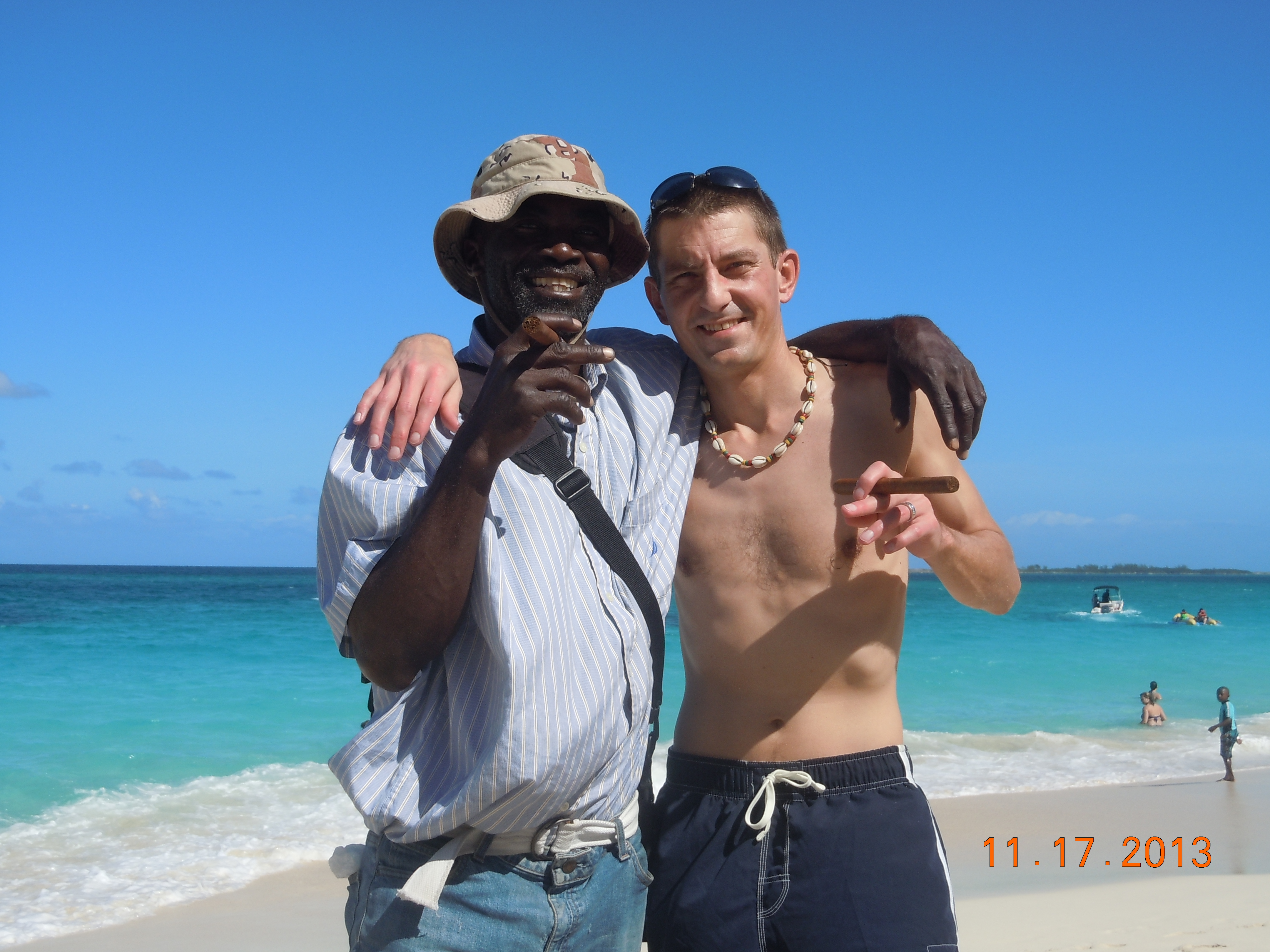
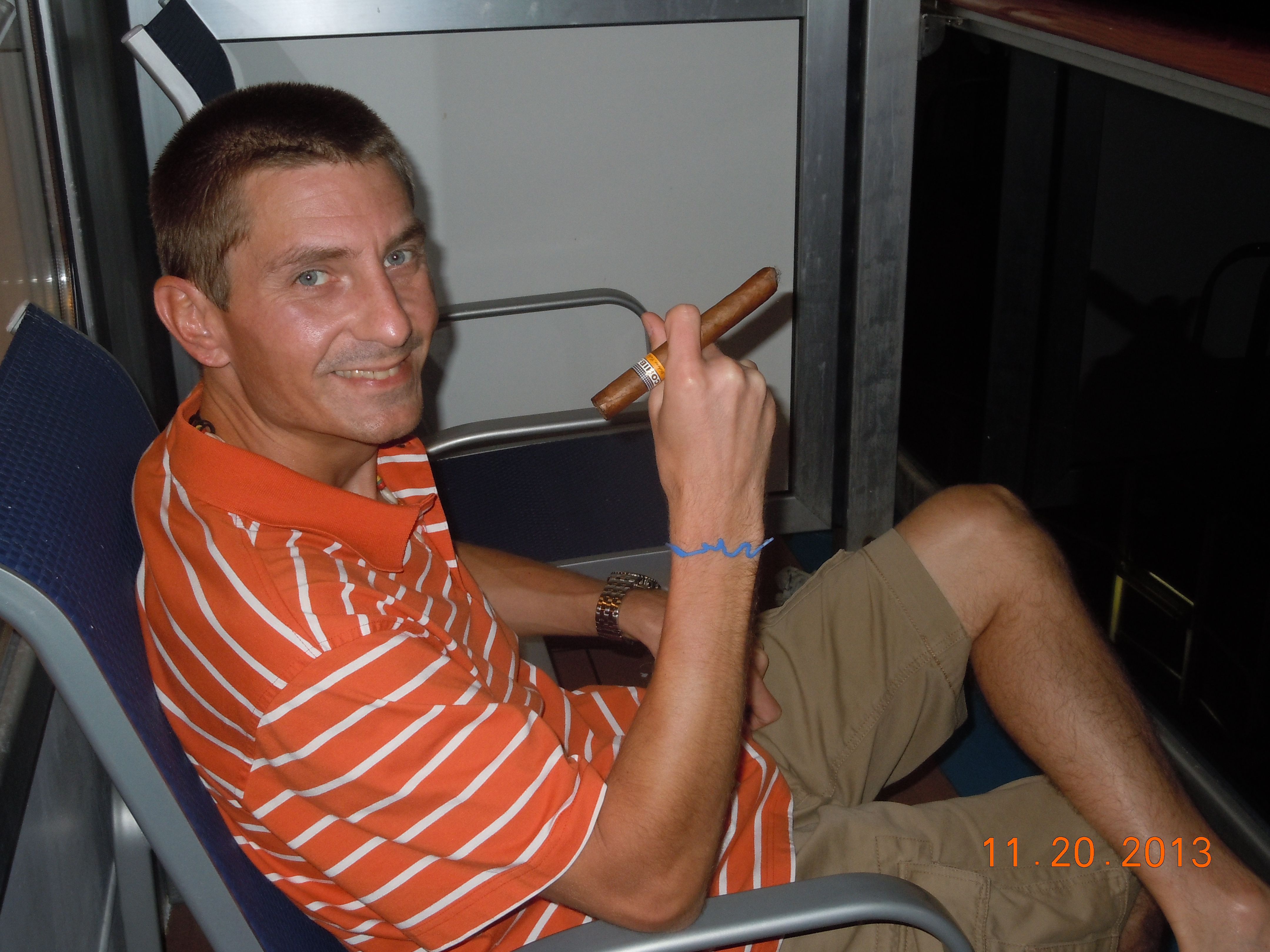
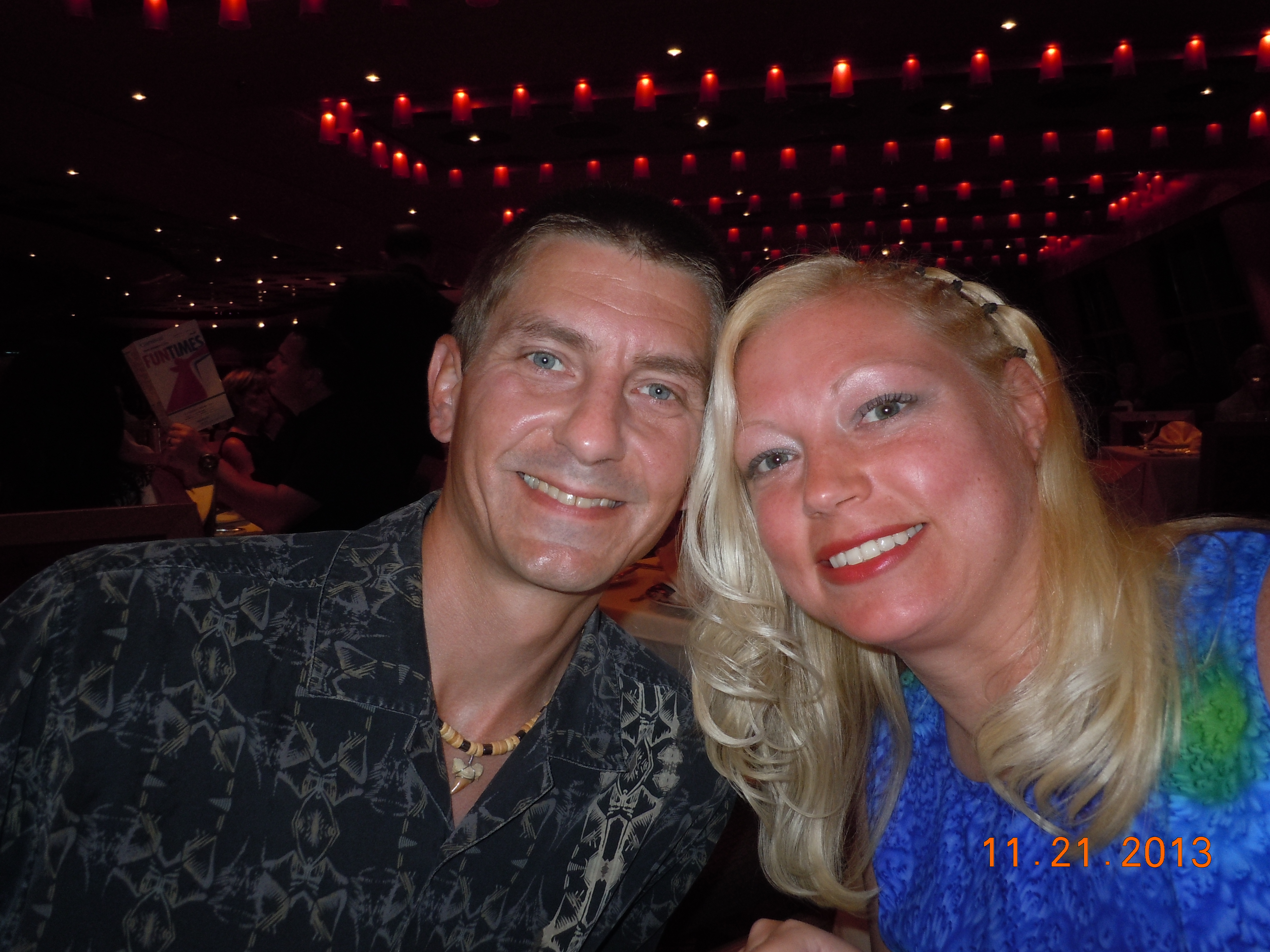
As I write this, my wife, Sheryl and I (married June 15th) are on the next to last day of our long overdue honeymoon. It’s been a fabulous two weeks; the first on a Caribbean cruise, the second in Ft. Myers, Florida. We’re both sad it will be coming to an end with tomorrow afternoon’s flight back to cold Ohio. In any event, I wanted to share some photos with all of you.

Carnival Dream 2013-11-19
Carnival Dream

Captians Dinner 2013-11-17
Captain’s Dinner

Ty buys Cuban Cigars in Bahamas

Coconut Rum Drink Bahamas 2013-11-17
Coconut Rum Drink Bahamas

Atlantis Bahamas 3 2103-11-17
Atlantis Bahamas

St Thomas Pirate Ship 2013-11-19
Pirate Ship St. Thomas

Megans Bay St Thomas 2013-11-19
Megans Bay St. Thomas

Ty Megans Bay St Thomas 2013-11-19
Megans Bay St. Thomas

St Thomas Funny 2013-11-19
“Drug Fee Zone” St. Thomas

Ty smokes his cuban 2013-11-20
Ty smokes his Cuban

Elegant Dinner Night 2013-11-21
Elegant Dinner Night

Maho Beach St Martin 3 2013-11-20
Maho Beach St. Martin

Orient Beach St Martin 2 St Martin 2013-11-20
Orient Beach St. Martin

Maho Beach St Martin 2 2013-11-20
Maho Beach St. Martin

??????????
Dolphin Jump Ft. Myers, FL.

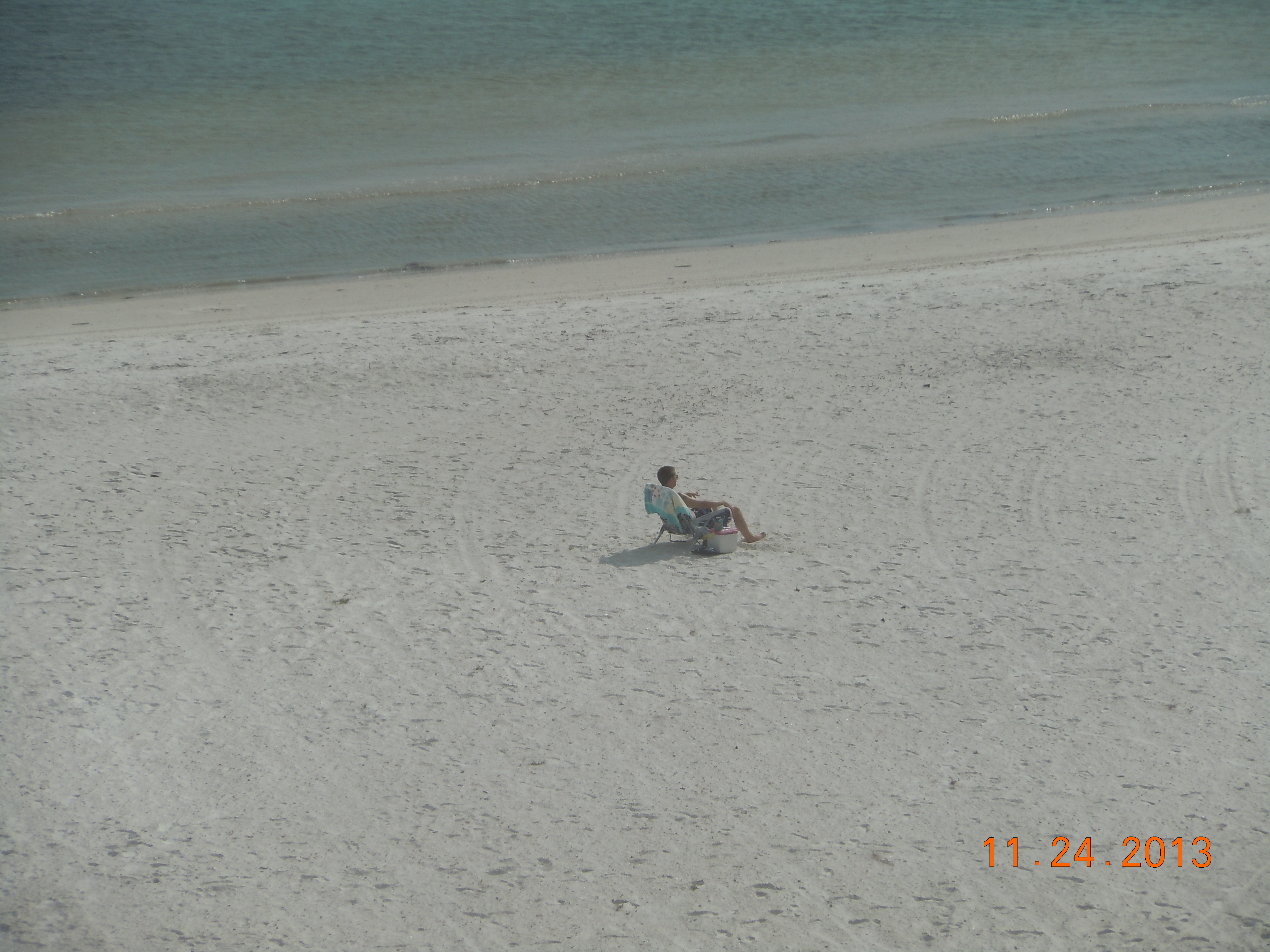
Ty with the beach to himself Ft Myers Beach 2013-11-24
Ty with the beach to himself Ft. Myers, FL.

Tales of Obscenity — Interview

The below interview originally appeared in UK-based Tales of Obscenity Magazine (Issue 1) in April of this year. It was the same issue that featured my novelette, “Two Men, A Rat, And A Lady”, an article co-written with my wife, as well as a review by Sheri White of my novella DININ’. It was one helluva issue. (You can still pick it up on Amazon.) In any event, I got permission from SST Publications’ owner, Paul Fry, to share the below interview with all of you. Hope you enjoy.

INTERVIEW OF TY SCHWAMBERGER

BY JOHN EVERSON

I’ve never met Ty Schwamberger, but at the same time, I’ve known him for years. Ty blew into the horror genre like a Gulf storm, “Ty-ing up the genre” with a rapid-fire series of stories, novellas, anthologies and columns. In just four years he’s become a name in more than just his own household, and already has had a couple of his tales optioned for film adaptation. Visit his website for the up-to-the-minute scoop at: http://tyschwamberger.com. I caught up with him at the end of 2012 (still virtually!) and got a few answers that I hope will convince you to delve farther into the work of this naturally horrific force:


JOHN EVERSON: At book signings, when bookstore browsers run into a horror author, they frequently ask: “What draws you to write about ‘the dark’?” Some people ask, because they assume you must be a little psycho yourself to write this stuff. And others simply ask because they want to know what secrets drive the authors who come up with the twists and turns they love. So I think it’s a good question to start with—what is it about the dark that calls to you?

TY SCHWAMBERGER: I’ve had the pleasure of answering this question quite a few times over the years. I was fortunate to have parents that were pretty lax in my viewing material while growing up. I was a child of the 80’s so I enjoyed Friday the 13th, Texas Chainsaw Massacre, Halloween and the like. I’ve always enjoyed a good slasher flick. That’s the background of it, where my love of the horror genre came from. The reality of it, and I’ve said this many times in the past, is that writing in my chosen genre is no worse than watching the news about a true event where something horrific happened in the world around us. Some folks tend to think horror writers are strange birds, and shouldn’t write about disgusting things. Interesting enough, these same people read columns in the newspaper or watch the news or true life TV programs where bad things happened to real people, not just a made up story by a (horror) fiction author. But I digress. I’ve always enjoyed watching and reading horror. It gets the imagination flowing and the blood pumping. It’s a rush. Something you know could likely happen in the real world, but has been safely confined to a piece of paper or inside the TV screen.

JE: I can’t imagine ever being allowed to see Chainsaw by my parents as a kid, though I do remember being at a sleepover and seeing one of the Friday the 13th movies on HBO!  Is the slasher / giallo genre your favorite subgenre of horror? If so, what is the pinnacle for you there? And if not . . . what other horror subgenres get your blood pumping?

TS: To watch, I’d say it’s still a slasher flick. However, most of my own stuff is more in the survival subgenre. However, I truly do enjoy watching and reading a wide range of stuff. A lot of folks say if you want to be a good writer you need to read in a variety of genres. Eh, I don’t know if I totally buy it. I think you can pull “experiences” contained in other genres relatively easy from your own life and the world around you. But that’s just my humble opinion.

JE: You started your career straddling the line between short horror fiction and non-fiction, first penning reviews and then writing a column about horror. Which came first, the author or the horror scholar/journalist? And have you moved away from writing about the genre as you have begun to write within it?

TS: When I started writing, I didn’t have a mentor. I had to learn the business as I went along. I think there are positives and negatives of going this (unchosen) route. Not having a mentor forces you to learn the business side of writing, but having one might make things a little bit easier in the beginning. There are pros and cons to both sides of the discussion. In short, I used to write reviews namely because I enjoyed reading, then started the column on Hellnotes, “Ty-ing Up the Genre” (which included your article, John, “Why Do You Wanna Write Horror,” in August 2010) which discussed writing and publishing in the horror genre. That monthly column ended in April 2011. I then went on to write a few articles for Morpheus Tales magazine, which concluded in July of 2011. Since then, I’ve answered a few interview questions about writing and publishing, but haven’t really written another article until, “Opposites Attract: Different opinions of sex in the horror genre” (co-written with my fiancée), which actually appears in the same issue you’re holding in your hands right now. In short, I really started writing fiction and non-fiction around the same time. I enjoy doing both.

JE: You edited a handful of horror anthologies (including Relics & Remains and Fell Beasts—which include stories of mine, thanks!) before you sold your first novella or novel. Why did you decide to focus on being an editor first, and an author later?

TS: My role as an author/editor really happened about the same time. I wrote a few stories before the first opportunity to edit an anthology came about. However, since getting something published is often a slow process, a few anthologies came out before my fiction really started to get out there. I still toggle between being an author and editor. I try to be as diversified as possible in this business. It’s the only way to go.

JE: You’ve written a handful of novellas, including Dinin’ from one of my own publishers, Bad Moon Books. The novella as a literary form has had an up-and-down history; for a while, magazines would run them as serials, and there were a few that had the space to run them in a single issue. But for a long time, it seemed as if there were very few markets for a story of that size—longer than a short story but not long enough to be a novel. What drew you to work in this form, which seems to have been making a comeback of late, especially with the growth in popularity of eBooks (where the odd size isn’t a problem)?

TS: Novellas are definitely my favorite length to write. They’re short enough where you can write quite a few of them in a short period of time, but still long enough to develop a good story arc and depth of the characters. I’ve also personally found; it’s a helluva lot easier to get a novella pitch accepted by a publisher than them taking a chance on signing a contract for a novel length manuscript, which is more costly for them to edit and release.

JE: I’ve always been more of a “short, sharp story” or “let me live in the world for a long while novel” kind of reader. Are there some novellas that you’d point to as “perfection in the horror form?”

TS: Shit! You’re really putting me on the spot! I do enjoy novellas, but for the most part stick to reading novels. Although, there are a few folks’ shorter work that I do always enjoy: Joe McKinney, John R. Little, Gene O’Neill and Lisa Morton, to name a few.

JE: Left of Center Question: If you could have dinner with a real vampire, werewolf, or zombie, which would you choose, and why?

TS: Vampire. At least they wouldn’t be drooling all over the place, or rotting away at the dinner table, while trying to enjoy a nice rare steak and a glass of red wine.

JE: Your first novel, Deep Dark Woods, is coming out this spring. Can you tell us a little about what the novel is about, and how you came to write it?

TS: DDW is a character driven creature story. As the title suggests, it takes place in the woods, and has a blood thirsty monster running amok, but really focuses on the character’s relationships with one another and how they cope with being chased by a blood thirsty beast. Though I’m not going to say what kind of monster it is, folks will likely be able to decipher what it is, shortly after the story begins. However, as with a majority of my stuff, this monster has more on his mind than just hunting and eating its victims.

JE: Your monster doesn’t have a relationship with the Blair Witch, does it? Because she hung out in the woods a lot . . .

TS: Hehe . . . Ya know, this is probably as good of time as any to unveil the description on the back cover:

Jake thought a camping trip to the Southpoint Campsite would be a great way to reconnect with his wife, Samantha and daughter, Alexis. But when Jake mysteriously disappeared after going to fetch some firewood, Sam and Alexis were left alone to search the dark woods for their loving husband and father.

Four college friends were on their way to spend a weekend in the woods for a college research project, and perhaps a little partying. But as they neared the destination, they were run off the road by another car, where one is killed on impact. Now the remaining friends must find a way back to the safe confines of their school.

Park Ranger Carl Stevens had been on the job for eight long years, through good times and bad. One day, his normally boring life is turned upside down when he almost hits a young girl, who’s running out of the woods and into the middle of the road. Unfortunately, that’s the least of his worries after hearing what she’s been running from.

Can an everyday Park Ranger save the girl and everyone else they encounter?

Because not everyone can survive what’s lurking inside the deep dark woods.

How’s that?

JE: Frequently authors are driven to explore the fictional tales they tell due to certain things in their lives that really helped form who they are or influenced their worldviews. This can lead the author to create stories that all deal with some comparable themes or life issues. Is there a certain theme that you find yourself dealing with repeatedly in your work?

TS: Honestly, I’ve never really thought about it. But, sitting here and thinking about it, I suppose there is the common theme of betrayal that runs through a vast majority of my fiction. I’m not sure where that comes from or if it’s just a great theme that draws readers into a story. Although, I can say, the main character who’s in my short story, “Suck on This, Bitch!” that just so happens to appear in this same issue of Tales of Obscenity, was derived from a former boss of mine. Needless to say, it doesn’t end well for her. (Insert evil laugh here.)

JE: Okay, Left of Center Question #2: If you were going to be dropped on a desert island that miraculously had electrical outlets and an entertainment system, what CDs and movies would you take to live with . . . for the rest of your life . . . and why?

TS: A Guns N’ Roses Appetite for Destruction CD and a Walt Disney Cinderella DVD. This may seem like an odd combination, but the CD contains my little one’s favorite father-and-daughter song, “Sweet Child O’ Mine” and Cinderella, because, well, my daughter is daddy’s little princess. Having these two items I could then always imagine she’s listening or watching the same thing as I am at that particular moment. Horror writers aren’t always about violence and gore!

JE: You’ve had a couple of your stories draw film interest. Can you talk about the process of seeing your thoughts-that-became-words-on-a-page become films?

TS: It’s pretty damn cool. My short story, “Cake Batter” was adapted into a short film and came out on DVD in 2010. I also have my unpublished novella House Call which was adapted then filmed in the summer of 2012. This feature-length film will come out on DVD early 2013. I’d love to see Dinin’ get made into a movie, and while I’ve had some discussions with a few film makers about it, there’s nothing concrete about it happening quite yet. With the little exposure I’d had to it, the film industry is vastly different than the publishing world, and one I find fairly confusing. But, I’m learning. We’ll see what the future holds.

JE: What is “next” from Ty for readers is Deep Dark Woods . . . but what is after that? What are you working on now?

TS: I just started working on some notes for a new psychological thriller. Ideally, it’ll be of novel length. We’ll see. It centers on the spirit of a long-dead inmate of Alcatraz who’s trapped inside an almost-fatally injured family man.

JE: Left of Center Finale: If you could choose who you were going to be trapped with in an elevator on the 13th floor of a New York high rise for a night . . . who would it be, and why? And remember, this can be anyone from Jenna Jameson to Dario Argento to Clive Barker!

TS: My fiancée. (Note: she’s sitting next to me right now.) (Update: Sheryl & Ty were married on June 15th, 2013.)

JE: I think that’s what they call a “cheat ending” . . . but we’ll let you skate this time. Even if you didn’t answer why. But she is your fiancée, so I s’pose we could take a pretty educated guess. Hopefully she won’t pull a knife on you in the elevator. Because then you might not survive to tell the story . . . Congratulations, and keep the scares coming.

TS: Thanks for the questions, John. I had a lot of fun with them!

John Everson is the Bram Stoker Award-winning author of six erotic horror novels, including Covenant, Sacrifice, Siren and his most recent, NightWhere. When he’s not watching Jean Rollin and Dario Argento movies, he experiments with culinary jalapeno abuse and occasionally writes more dark stories of his own. To catch up on his books, music and art, visit johneverson.com.

The Lost Interview

I was recently going through an old file on my computer and came across this interview from December 2011. I don’t remember who conducted the interview of me, but I do know it was never posted anywhere. In any event, I thought I would dig it out and post it here. If asked a couple of these questions today, I might have given a little different of answer, but overall, it’s still pretty dead on. Enjoy. 

You are obviously a huge fan of the late Richard Laymon. In your personal opinion, would you say he was the future of horror? I mean, his writing was like no other in the genre before him.

I’ve been told by fans and peers alike that a lot of my writing has a very Laymon-esque feel to it. In fact, Bryan Smith (author of Depraved, House of Blood, Freakshow, along with several others), blurbed that my novella, DININ’ (Bad Moon Books, 2012), is in the same vain. That wasn’t by design. Although, Laymon is my favorite horror author. I think I’ve got all but one of his novels at this point. I love the way he took a simple idea and made it uniquely scary. His plots were made of the things that could really happen, his characters were believable and the dialog he used was reminiscent of the time period when the stories took place. The horror genre lost a great human being when he passed away in 2001. I wish I would’ve been able to meet him. Although, I have gotten the opportunity to get to know his wife, Ann, and daughter, Kelly, and they’re very friendly and special people. In fact, every year Ann donates some of Richard’s books for my annual “Richard Laymon Book Contest” I host on my website. So, yes, Laymon would definitely be the one author that inspires me the most.

When was it you had your “defining moment,” when you knew you wanted to become a writer?

In early 2008 I was working for a law firm. It paid the bills, but wasn’t all that exciting of work. I had also just read Offspring by Jack Ketchum and Cuts by Richard Laymon. One day I was sitting at my desk and thought “hey, I can write some sick stuff too” and away I went to pound out 100k words in exactly three months. Looking back it wasn’t very good writing, but that’s where I got my start. I’ve always loved the horror movies from the 1980s and after reading a few modern horror novels away I went into the great unknown.

Has it been difficult to write within a genre that has already been written in so many different ways and still keep it fresh?

Let’s face facts here. It’s not easy to come up with an original idea. Now, that doesn’t mean that the plot of the story itself is a rehash of the same old stuff that’s been done to death. No. Instead, it means that when starting a new story, the writer needs to find a unique component to exploit. Whether that is; their vampire has red, spiky hair and no fangs or a hairless werewolf. Who knows? You didn’t think I’d give away any of my future ideas, did you? Anyway, back to your question – is it difficult to keep it fresh? Hummm… Personally, no. But, that also might be because I don’t sit at the keyboard and just wait till a new idea comes to me. I’m not that type of writer. My ideas are usually spurred from something I read in the newspaper, hear on the news or see in the world around me. I then take that upsetting (or happy) event and turn it upside down. Twist it this way and that. I make it my bitch. To do my bidding. I order it to appear on the page like I want it to.

What is your overall impression of the horror genre right now?

I think it is alive and kickin’! All you have to do is turn on primetime television, a cable channel or visit your local movie theatre to see horror is creeping its way into our lives in different ways. Mix in the explosion of small press publishers that specialize in horror, and you’ve got yourself a recipe for some good ol’ fashion fun. Horror (whether in the movies or books) has always had its ups and downs. The first tales told around the campfire were of the horror variety. If it was around then, before modern technology, it’ll be there in the future as well. Besides, it’s hard to kill off something that consists of stories about things that are already dead.

What’s a typical writing day like for you? Is there any certain process or ritual you go through to prepare yourself? Any certain mindset you place yourself in before tapping the keys?

To those on the outside it might seem like I’m writing or editing a project every single day. I mean, who puts out five or six books in a year and isn’t constantly sitting behind the keyboard. But the truth of the matter is; I just don’t have the time. Now, before someone stands up from their chair and starts yelling “There’s no excuse to not find at least a hour each day to write” let me explain. Besides having a fulltime “day job” I have the same general life duties as everyone else. So do I write or edit every single day? No. But, yes, I do at least something writing-related each and every day. Whether that’s research the current publishing trends, promotional work (which can really take on a life of its own), helping a fellow writer with something, updating websites, spending time answering questions from fans, pitching new projects to publishers, etc. Now, you might be asking, “Then, Ty, how do you produce as much as you do?” Well, the answer to that is pretty simple. I’m blessed with the ability to produce very quickly. For example, there was one particular publisher that needed a completed novella in two weeks. My novellas are usually around 25-30k words, so they’re fairly easy to write in a small amount of time. Since he needed it quickly, I pounded it out in 2 weeks. It really just depends on the deadline that I’m given.

As far as the process behind the madness, there really isn’t any. Well, that’s not entirely true. First, wherever I’m writing needs to be fairly quiet. I know a lot of writers that rock out their stories to music, but I’ve just never been able to do that. Next, I’ll read the last chapter I completed the day before. That tends to get me back into the flow of the story. Then I just start typing. There’s no better feeling than when you get “in the zone” and totally lose track of time and your surroundings. The next thing you know, its a few hours later and you’ve just written a couple thousand words. Love when that happens!

Do you think you put a new spin on a tiring genre with a particular book? A plot that made the reader say, “Wow…that was different!”

The Fields (Apex Publications, December 2011) was anything but typical. I had always wanted to try my hand at writing a zombie story, but didn’t want to just re-hash the “zombies are coming, we better blow their heads off” type story. No. I wanted something different, deeper, more thought provoking. But first I needed an atypical setting. That’s when I came up with the time period of the mid-1800s on a southern plantation after the slaves were freed. From there, I didn’t want it to be: Billy (the main character) sees his tobacco plants are dying and digs up some dead former slaves and reanimates them. I needed a sinister element. That’s when I came up with the character, Abraham, which incidentally looks a lot like Lincoln. Once day, Abraham knocks on Billy’s door; offering salvation for the farm and Billy. Billy then must decide if he’s going to be like this father (an angry land owner that beat his slaves while he was alive) or let the fields continue to wither away under the hot, southern sun.

To quote a part of the introduction by Jonathan Maberry: “[The Fields]…is part horror story in the classic sense – misdeeds from the past coming back to haunt the present. It’s part zombie story. It’s part adventure. And it’s part social satire in its darkest sense.”

When I go back and read the story now, it almost took on a commentary on yesterday and today’s social climate. I didn’t exactly set out to do that, but I think that’s what happened. The Fields is truly terrifying because it deals with real-life issues, not just a crazed zombie running around trying to find their next hot, skull-full of brains to munch down upon.

Any last words for the aspiring horror author?

I wasn’t one of the lucky ones to have a mentor in the very beginning. I’ve gotten where I am with hard work and dedication to my dream of writing fulltime one day. Have I made plenty of mistakes along the way? Of course. Would I take any of them back? No. Publishing is a constantly evolving universe and all writers, whether at the top of the mountain or fighting to climb out of the trenches, are always learning and adapting. I’d be amiss to say that many writers predicted the digital revolution before it happened. I sure didn’t. Well, that’s not entirely true. I did see it barreling down the tracks, but resisted it as long as possible. Of course in the end I let the train hit me and let my limp body go along for the ride.

So, what can the aspiring author do to make it in this business? First and foremost, learn the craft of writing. Once you’re able to start stringing coherent sentences together, go out and start learning the business side. Believe me when I say, you can’t make it in the publishing world without a strong understanding of both things. Then go and mingle with those you admire. Go to book signings and conventions. Meet and talk to the same authors, editors and publishers you enjoy reading. If you’re lucky, you’ll not only make a great business contact, but a helluva friend as well.

Tweet This!

I’ve ventured onto the dark side. That’s right, I’ve finally signed up for a Twitter account. Not sure yet how much I’ll use it, but it is an important aspect of social media to keep in touch and connect with fans, publishers, crazy mountain people, and similar other fine breeds.

Feel free to follow along if you’re so inclined.

@SchwambergerTy